
Why Your Voice Matters in Healthcare: Understanding Patient-Reported Outcome Measures (PROMs)
When we think about healthcare, we often picture medical tests, scans, and diagnoses.
While these tools are essential, they don’t always capture the full picture of a patient’s health. How much pain are you experiencing? Are you able to return to the activities you love? How is your recovery affecting your daily life?
These questions matter just as much as clinical test results. That’s why many healthcare providers and researchers use Patient-Reported Outcome Measures (PROMs) – because they are a simple but powerful way for patients to share their own experiences with their health and recovery.
What are Patient-Reported Outcome Measures (PROMs)
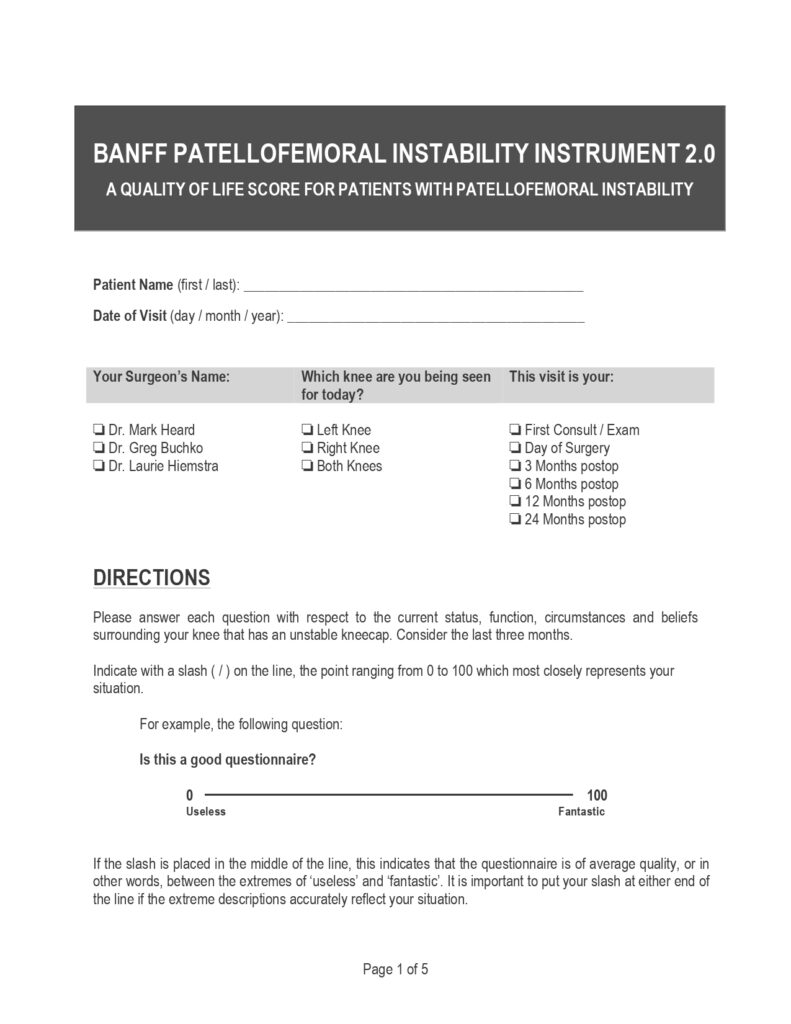
Patient-Reported Outcome Measures, commonly called PROMs, are surveys that patients complete about their health. They can ask questions about things like:
- Pain levels
- Physical function and mobility
- Mental well-being
- Ability to perform daily activities
- Overall quality of life
The key difference is that patients report this information themselves, based on their own experiences. This makes PROMs an important tool for understanding health outcomes from the patient’s perspective.
Traditional medical tests may show whether a surgery was technically successful, but PROMs help answer questions like: Did the surgery reduce your pain? Can you return to work or sport? Are you able to move and live comfortably again?
By capturing these insights, PROMs help ensure that healthcare focuses not only on medical results but also on the outcomes that matter most to patients.
How are PROMs collected
PROMs are usually collected through standardized questionnaires. Patients may receive them in several formats, including:

- Paper forms completed in the clinic
- Online surveys sent by email
- Digital questionnaires completed on a phone, tablet, or computer
Patients may be asked to complete these questionnaires at different points in their care journey. This allows healthcare teams to monitor progress and see how recovery changes over time.
For example, patients undergoing Medial Patellofemoral Ligament (MPFL) reconstructive surgery at the Banff Sport Medicine Clinic are asked to complete PROMs before surgery, and at 6-months, 12-months, and 24-months after surgery.
Collecting this information at different stages helps clinicians and researchers better understand how recovery unfolds over the long term.
Different Types of PROMs
Not all PROMs are the same. In general, they fall into two main categories:
Generic PROMs
These surveys focus on overall health and well-being. They may measure aspects such as mental health, daily functioning, and quality of life across many different groups of people.
Because they are broad, generic PROMs can be used to compare health outcomes across different conditions and treatments.
Condition-Specific PROMs
These surveys are designed for specific injuries, illnesses, or surgeries. They ask questions that are directly related to a particular condition, for example, knee function after ACL surgery or shoulder function after a rotator cuff repair.
Condition-specific PROMs provide more detailed information about how well a particular treatment is working.
Why PROMs Are Important
PROMs have become an essential part of modern healthcare because they provide insights that traditional medical tests may miss.
Here are several ways PROMs help improve care:
- Improving Quality of Care: PROMs help healthcare providers evaluate how well treatments and services are working from the patient’s perspective. This information can highlight areas where care is effective and where improvements are needed.
- Monitoring Recovery and Progress: By collecting PROMs at different points in time, clinicians can track how a patient’s symptoms, function, and quality of life change during recovery.
- Supporting Better Treatment Decisions: PROMs provide valuable information that helps healthcare teams determine which treatments work best for different patients.
- Advancing Research: Researchers use PROM data to better understand the effectiveness of treatments and procedures. This knowledge can lead to improved therapies and better care for future patients.
- Evaluating Health System Performance: PROMs can also help health systems measure the performance of health care providers and services, ensuring that care remains patient-centered and effective.
Why Patients Should Complete PROMs
Patients sometimes wonder whether filling out surveys really makes a difference. The answer is yes.
Completing PROMs benefits not only researchers and clinicians, but also patients themselves.
- Track Your Recovery: PROMs help you monitor your progress over time, allowing you to see how your health and function are improving.
- Improve Communication With Your Care Team: PROMs give you a structured way to share your symptoms, challenges, and concerns with your healthcare providers.
- Focus on What Matters to You: PROMs allow you to report the outcomes that are most important to your daily life, whether that’s reducing pain, returning to work, or getting back to sport and activity.
- Support Better Conversations About Your Care: Your responses provide helpful reference points for discussions with your care team about your condition, recovery, and treatment options.
- Help Improve Healthcare: By completing PROMs, you contribute valuable information that helps improve treatments, services, and outcomes for future patients.

A More Patient-Centered Approach to Healthcare
Patient-Reported Outcome Measures represent a growing shift toward patient-centered health care. Instead of focusing only on clinical results, PROMs recognize that the patient’s experience is a critical part of measuring success.
By sharing how you feel, function, and recover, you help your healthcare team better understand your needs and improve the care you receive.
In short, PROMs ensure that the patient’s voice is part of the story of recovery which helps create better care for everyone.